
Patricia Crawford reports
 This summer’s extremely hot weather coinciding with water shortages has had devastating effects on farming and food production. Some crops have failed and others have produced low yields. Grass growth has been halved on some dairy and livestock farms, consequently many farmers have been forced to dip into feedstuff reserved for the winter months. The AHDB (Agriculture and Horticulture Development Board) reported that milk production is down but it is too early to predict the results for the year.
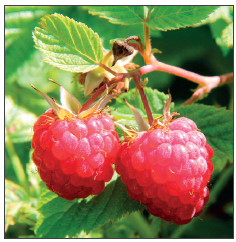
Most salad crops suffer stress in extreme heat but, thanks to dedicated growers, lettuces and other favourites continue to fill retail shelves. On the bright side, raspberries, blackberries and blueberries have done well and strawberries have produced deliciously sweet fruit. UK now has more than 1,100 vineyards making it one of the fastest-growing wine regions in Europe. English wines are competing favourably with wines produced in renowned wine countries such as France, Spain and Italy.
Dates for diary: 15 – 18 October. Real Ale and Cider Festival, Spa Valley Railway.